U-M Women's Basketball, in Barbour Gym, ca. 1910 (Wilfred B. Shaw Papers, BL001137)
Featured Projects on
U-M’s History
Begin your exploration of the university’s history here.
About Featured Projects
There is no single history of U-M, and this curated list of projects, websites, and exhibits provides an entrypoint to the multitude of stories that make up the university’s past.
These projects were developed by researchers from both U-M and the broader community and reveal how students, professors, staff, alums, and community members have shaped the university as we know it today. They also exhibit the university’s impact beyond campus—and vice versa.
Whether you’re curious about the university’s history in general or preparing for a deeper dive into its past, these projects will get you started.
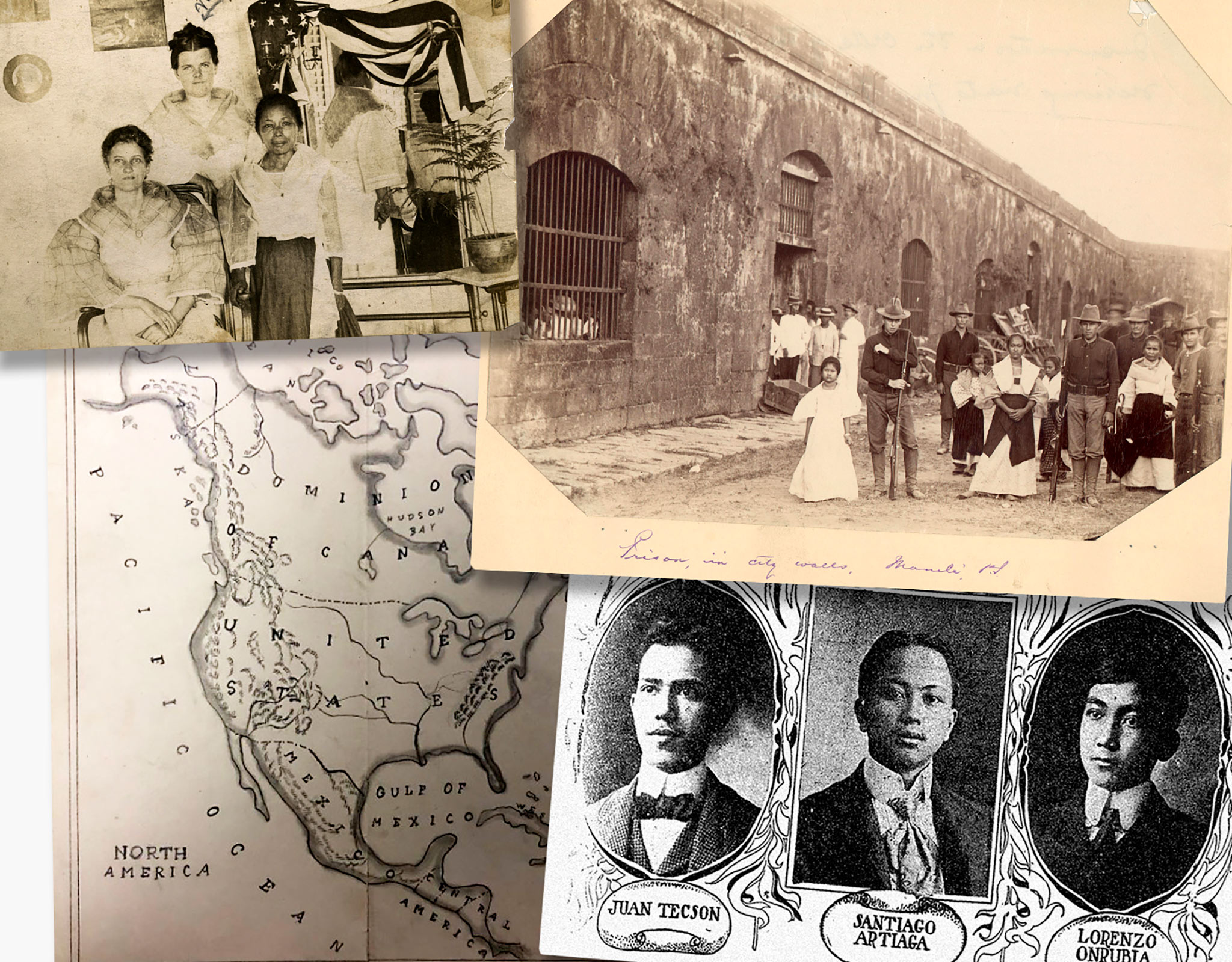
Upper left: Mary Cole, Susan Gladwin, and unidentified Filipina (Harry Newton Cole Papers, HS18242); upper right: Prison in city walls, Manila (Frank T. Corriston photograph collection, BL003732); bottom right: Three pensionados at U-M (“Filipinos at Ann Arbor,” Detroit Free Press, October 27, 1901); bottom left: Filipino student’s hand-drawn map (Frederick G. Behner papers, 1893-1924)
The Philippines and the University of Michigan, 1870-1935
This website, based upon letters, photographs, articles, and transcripts from the Bentley Historical Library and the William L. Clements Library, uncovers the University of Michigan’s role in colonialism in the Philippines, primarily from 1898 to 1935.

Michigan in the World
Michigan in the World (MITW) is a paid undergraduate internship program where students develop online public exhibitions of research about the history of U-M and its relationships with the wider world.
Visit Project
Willis Ward: More Than the Game
This exhibit focuses on the life of Willis Ward, a Michigan football player who was infamously benched because of his race in a game against Georgia Tech on October 20, 1934.
Visit Project
The Environmental Action for Survival (ENACT) Teach-In of 1970
The Environmental Justice Lab produced this twenty-minute documentary on the 50th anniversary of Earth Day in 2020.
Visit Project
Paths of Protest: Histories of Student Activism on Campus
This is a digital version of a walking tour of Ann Arbor sites related to student and campus protests from the 1960s to the present.
Visit Project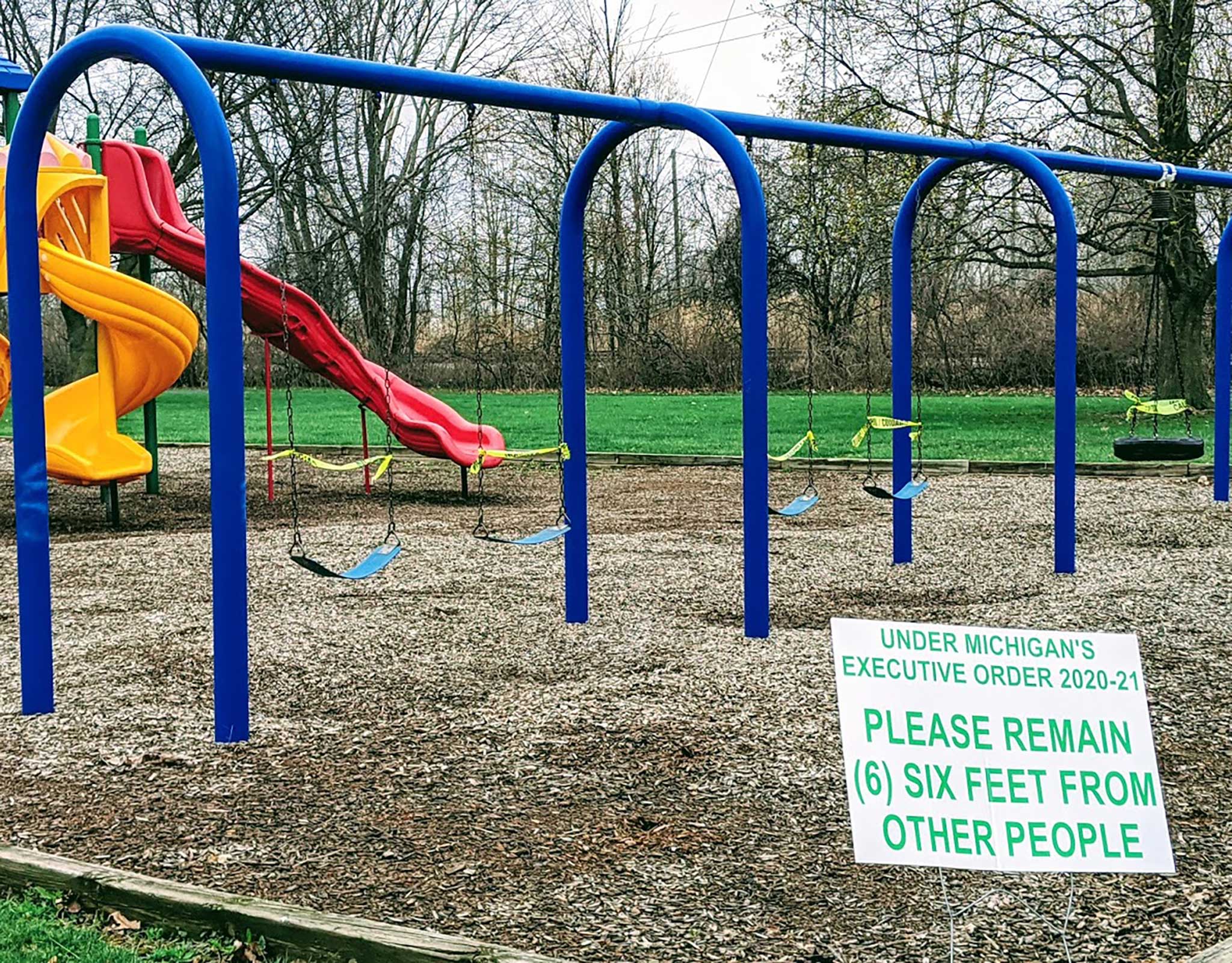
Unprecedented: A Campus Community Reflects on Life in Pandemic
This digital exhibit from the Mardigian Library documents life during the Covid-19 pandemic through a digital archive that includes poetry, artwork, images, essays, and oral histories.
Visit Project
Flint: Past and Present
This spatial history of the city of Flint explores how its landscape has changed and how these changes have impacted different communities.
Visit Project
UJIMA: Collective Work and Responsibility at the University of Michigan
UJIMA is an exhibit and timeline of social activism related to racial equality pioneered by African American students at UM-Ann Arbor.
Visit Project
Asian American Histories at the University of Michigan
This project includes eleven exhibits describing the trajectory of Asian and Asian Americans at UM-Ann Arbor.
Visit Project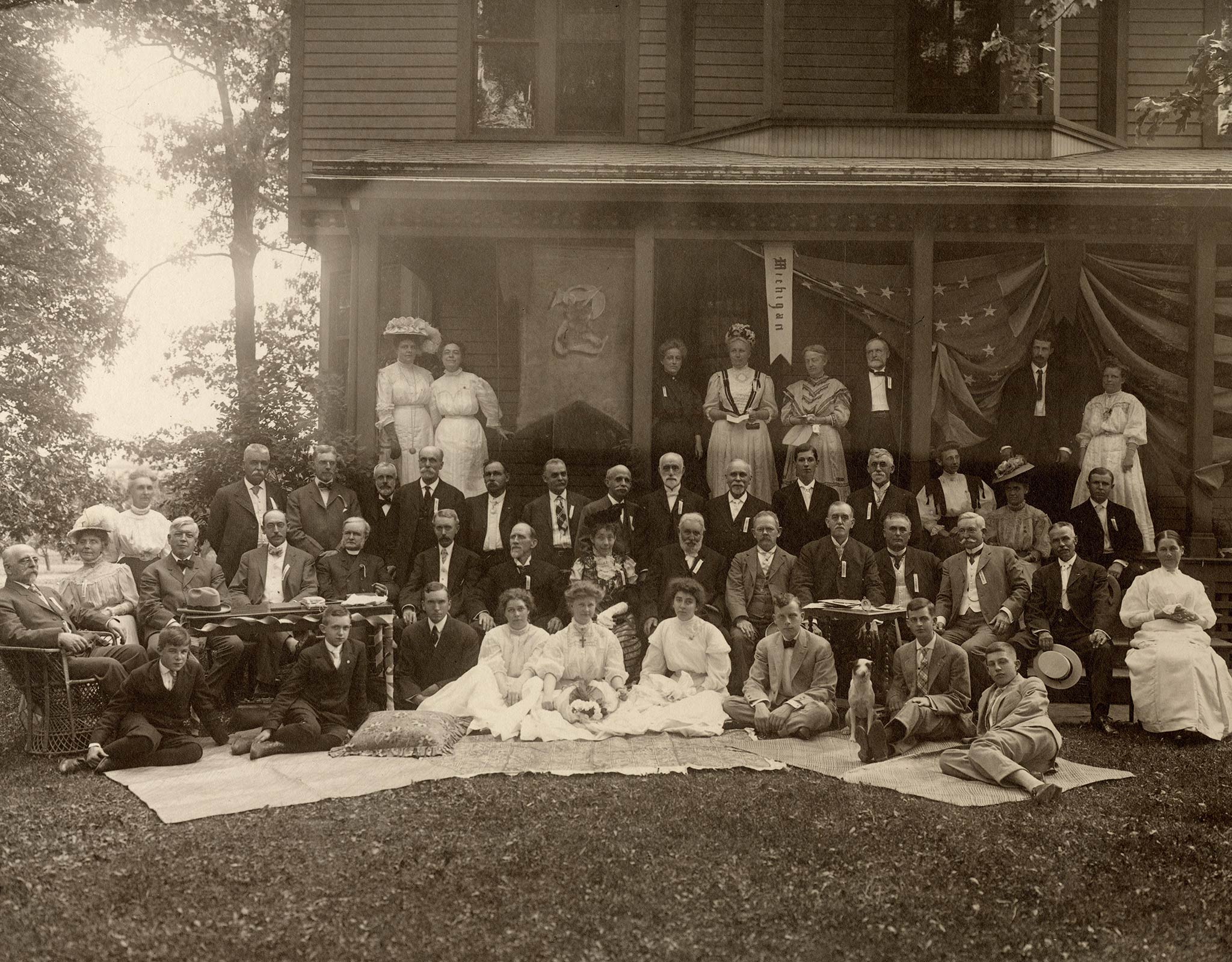
As to the Woman Question: The Admission of Women to the University of Michigan
Both a physical and digital exhibit, this website explores the history of the debate over women’s education at the university.
Visit Project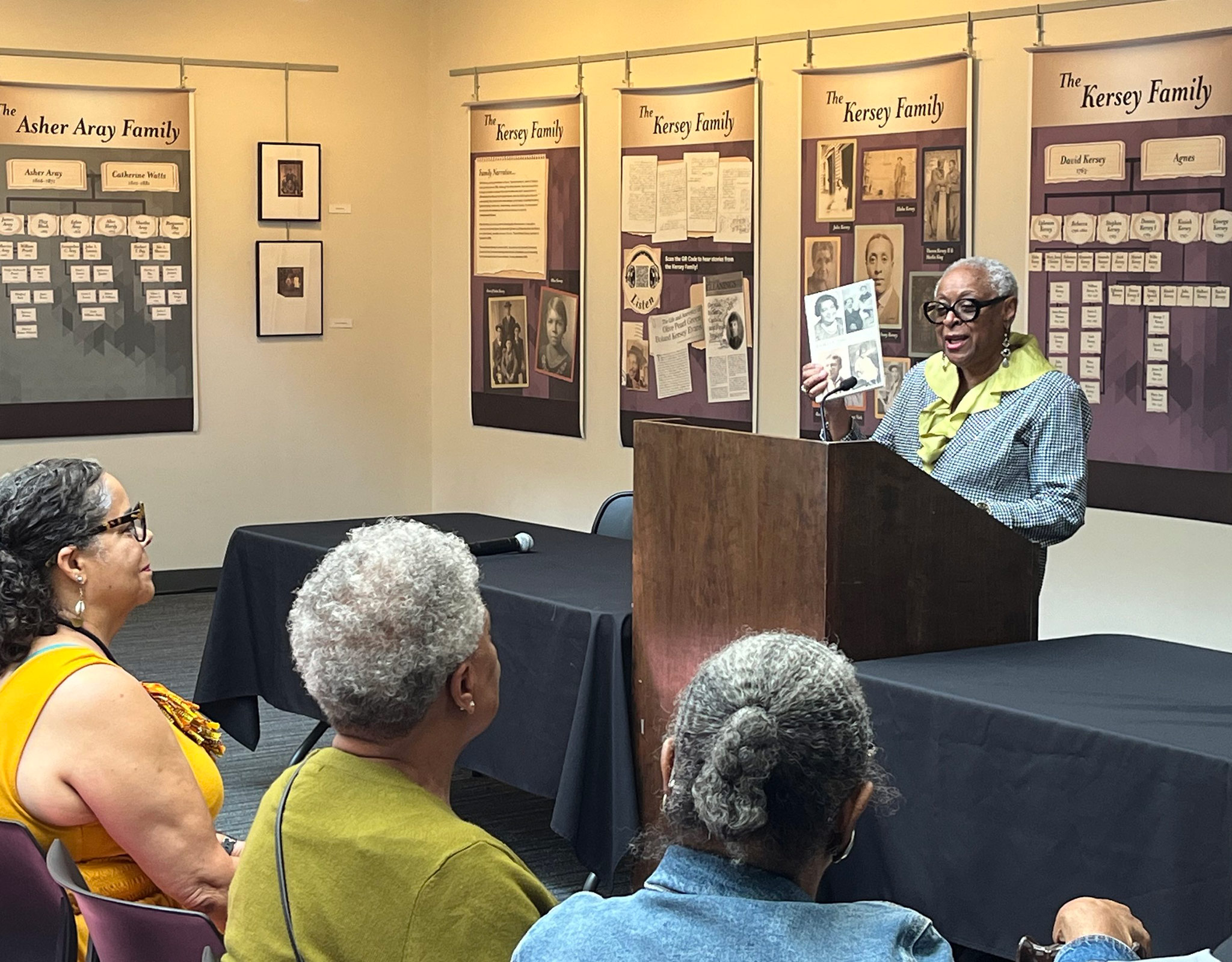
Black Washtenaw County Collaboratory
A collaboration with university and community partners, this project is a history of Black and African American spaces in Washtenaw County.
Visit Project
Detroit Center Timeline
Part of the Detroit Center, this page is a timeline connecting the history of Detroit to the University of Michigan.
Visit Project
The 1817 Project: Land, Culture, Memory, and Repair
The Inclusive History Project’s 1817 Project: Land, Culture, Memory, and Repair bridges past, present, and future to explore U-M’s connections to Indigenous land and settler colonialism, as well as contemporary issues of Native American student experience, campus inclusivity, and student activism.
Visit Project